Builder's Risk Insurance for Production Homebuilders
Builder's risk insurance covers the structures themselves while they're under construction — fire, wind, theft, and vandalism — and for production builders it's usually written as a reporting-form or master policy so new homes are automatically covered as each phase breaks ground.
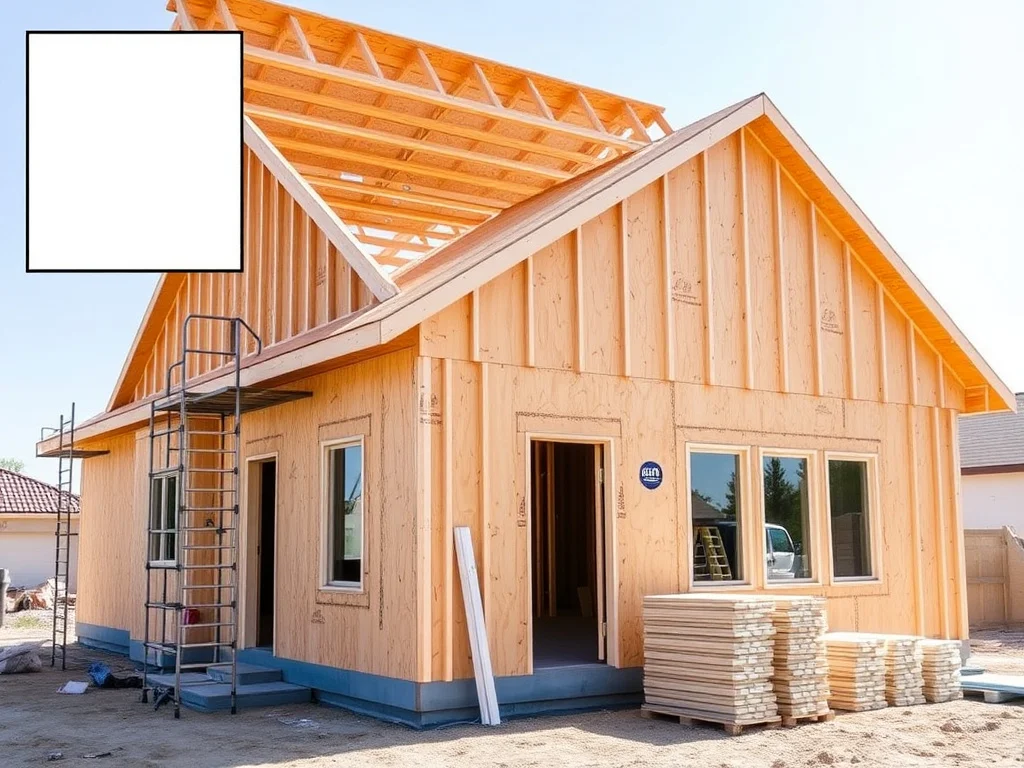
Builder's risk insurance protects the physical structure you're building — framing, materials on site, and installed systems — against covered causes of loss like fire, windstorm, theft, and vandalism while construction is underway. For a single custom home, that's a straightforward one-project policy purchased at the start of the job and closed out at completion.
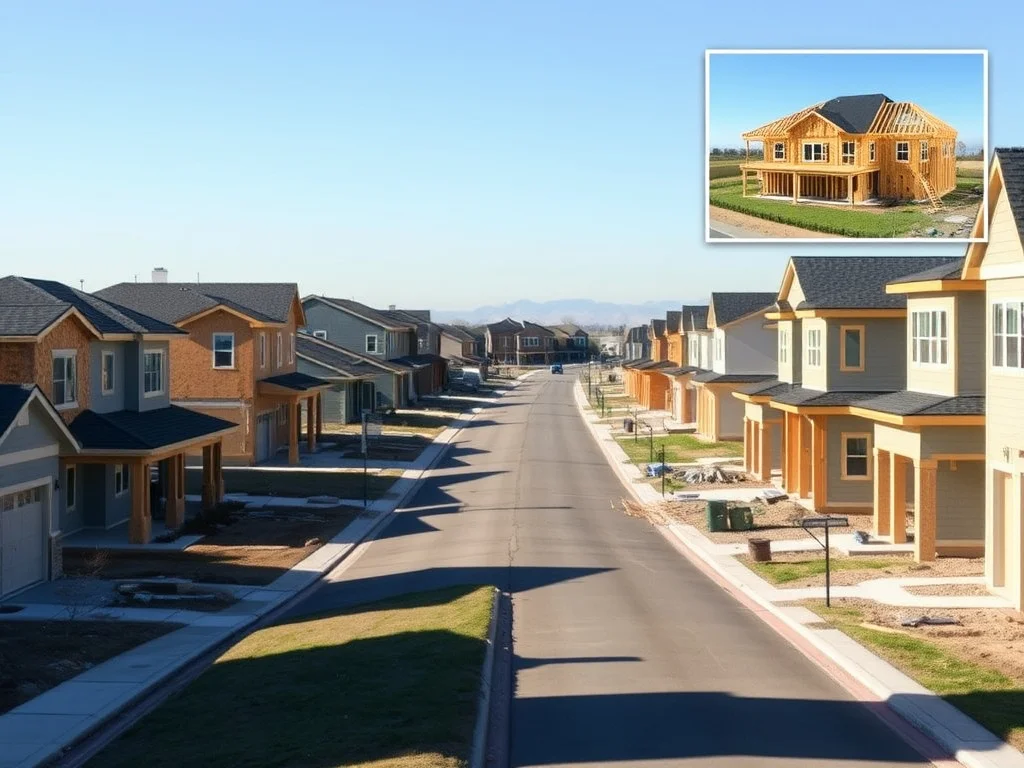
Production builders run into a structural problem with that model almost immediately: a subdivision doesn't have one start date and one completion date, it has dozens, staggered across months or years, with new homes breaking ground constantly while others are finishing and closing. Buying and canceling a discrete builder's risk policy for every individual house is administratively unworkable at volume, and it creates coverage gaps in the transition windows between policies.
That's why most production builders insure their construction-in-progress under a reporting-form or master builder's risk policy — one continuous policy that automatically picks up new homes as they start and drops them off as they complete and transfer property coverage to the homeowner, with values reported to the carrier on a periodic (often monthly) basis. Contractors Choice Agency structures this for tract and production builders specifically — see our dedicated deep-dive on builder's risk for phased developments for how the reporting mechanics work in practice. Call 844-967-5247 or email josh@contractorschoiceagency.com to talk through your development schedule.
What's covered
- Physical damage protection for structures under construction — fire, lightning, windstorm, hail, theft, and vandalism, subject to policy terms
- Coverage for building materials and installed fixtures on site, and in many policies materials in transit or in temporary off-site storage
- Reporting-form structure that automatically extends to new homes as they start, without a new policy purchase for every address
- Soft costs coverage options — additional interest, loan fees, and other carrying costs incurred if a covered loss delays completion
- Model home coverage transition support — flagging when a finished model needs to move from builder's risk to standard commercial property coverage
- Coordination with general liability and contractors pollution liability so a single loss event doesn't fall into a gap between policies
Ideal for builders that…
- Builders constructing five or more homes per year across one or more active developments
- Production builders with staggered, rolling start dates rather than one project at a time
- Developers managing model home complexes alongside active construction phases
- Builders who need monthly or periodic value-reporting flexibility instead of a fixed insured value set at inception
- Companies that have historically bought builder's risk per-house and want to evaluate whether a reporting-form/master policy reduces cost and administrative load
Reporting-form policies: insuring a moving target
A reporting-form builder's risk policy is built around the reality that a production builder's insured value is a moving number. Early in a phase, the total value under construction might be a fraction of what it is once framing is complete across a dozen homes. Rather than insuring to a static peak value from day one — and overpaying for coverage you don't need yet — a reporting form lets values be reported to the carrier periodically, often monthly, so premium tracks actual exposure as it grows and shrinks with the construction schedule.
This structure is specifically designed for exactly the kind of building program a tract or production homebuilder runs: continuous starts, continuous completions, and values that escalate steadily from a cleared lot to a finished, sellable home.
Where builder's risk coverage ends and other coverage needs to pick up
Builder's risk coverage is generally intended to end when a home is substantially complete, occupied, or transferred to a buyer — whichever comes first under the policy's terms. That handoff point matters for two specific situations production builders run into constantly: model homes and completed spec inventory.
A finished model home that stays open for months or years of sales traffic isn't really a construction-in-progress risk anymore — it needs standard commercial property coverage, and possibly different liability treatment given ongoing public foot traffic. Completed but unsold spec homes sitting on the market face a similar transition. We flag these transition points as part of managing your builder's risk program so a home doesn't end up uninsured, or insured under the wrong type of policy, between construction and sale.
- Model homes open to buyer traffic generally need commercial property coverage, not builder's risk
- Completed, unsold spec inventory should transition off builder's risk once construction is substantially complete
- Vacancy provisions can affect coverage on finished-but-unsold homes sitting longer than expected — worth reviewing before a home sits vacant past typical marketing timelines
What builder's risk typically does not cover
Builder's risk is property coverage for the structure, not a liability policy, and it's not a substitute for general liability or workers' compensation. It generally won't respond to a third party's bodily injury claim, faulty workmanship with no resulting covered physical loss, normal wear, mechanical breakdown of your own equipment, or losses caused by design errors on their own without accompanying physical damage. Those exposures are handled by general liability, professional liability, and equipment coverage respectively — which is exactly why production builders typically carry builder's risk as one piece of a coordinated program rather than a stand-alone policy.
What determines the cost of this coverage
Every production builder is different. Here's what typically moves the price of this coverage up or down.
Total insured value under construction
Reporting-form premium tracks reported construction values across all active homes, so accurate, regular reporting keeps pricing aligned with real exposure.
Construction type and materials
Framing method, roofing material, and fire-protection features across your standard floor plans affect base rating.
Geographic exposure
Wildfire, hail, windstorm, and coastal wind/hail zones materially affect builder's risk pricing and available deductible structures.
Security and theft-prevention measures on active sites
Fencing, lighting, and material lock-up practices across active phases can influence theft and vandalism pricing.
Average construction cycle time
Faster build cycles typical of production building reduce the average time-at-risk per home compared to slower custom builds, which can favorably affect pricing.
Deductible structure
Per-occurrence versus per-location deductibles, and any percentage deductibles tied to named windstorm or wildfire, are a major lever on premium.
FAQs about Builder's Risk Insurance
Not under a reporting-form or master builder's risk policy — one continuous policy can automatically extend to new homes as each one starts, with values reported to the carrier periodically rather than buying and canceling individual policies per address.
Typically at substantial completion, occupancy, or transfer to a buyer, whichever the policy specifies happens first. After that point the home generally needs to move to standard commercial property (for unsold spec/model inventory) or the buyer's homeowners policy at closing.
Generally no — an actively marketed model home that isn't under construction anymore is a different exposure than a home mid-build, and typically needs standard commercial property coverage instead, along with liability coverage appropriate for ongoing public visitor traffic.
Most builder's risk policies include theft and vandalism as covered causes of loss, subject to the policy's terms, conditions, and any applicable deductible. Off-site storage or materials in transit may have different sublimits, worth confirming for your specific policy.
Reporting-form pricing tracks actual reported construction values over time rather than insuring every home to a fixed peak value from day one, which for an active production builder often reduces both premium and the administrative burden of managing dozens of individual policies.
Related coverages to consider
Get your free builder's risk insurance quote
Tell us about your developments and we'll put together a clear, no-obligation quote — coverage built around how a production builder actually operates.