Professional Liability Insurance for Design-Build Production Builders
Professional liability, also called errors and omissions coverage, protects a production builder against claims of financial loss caused by design, specification, or planning errors — a different exposure than the bodily injury and property damage covered under general liability.
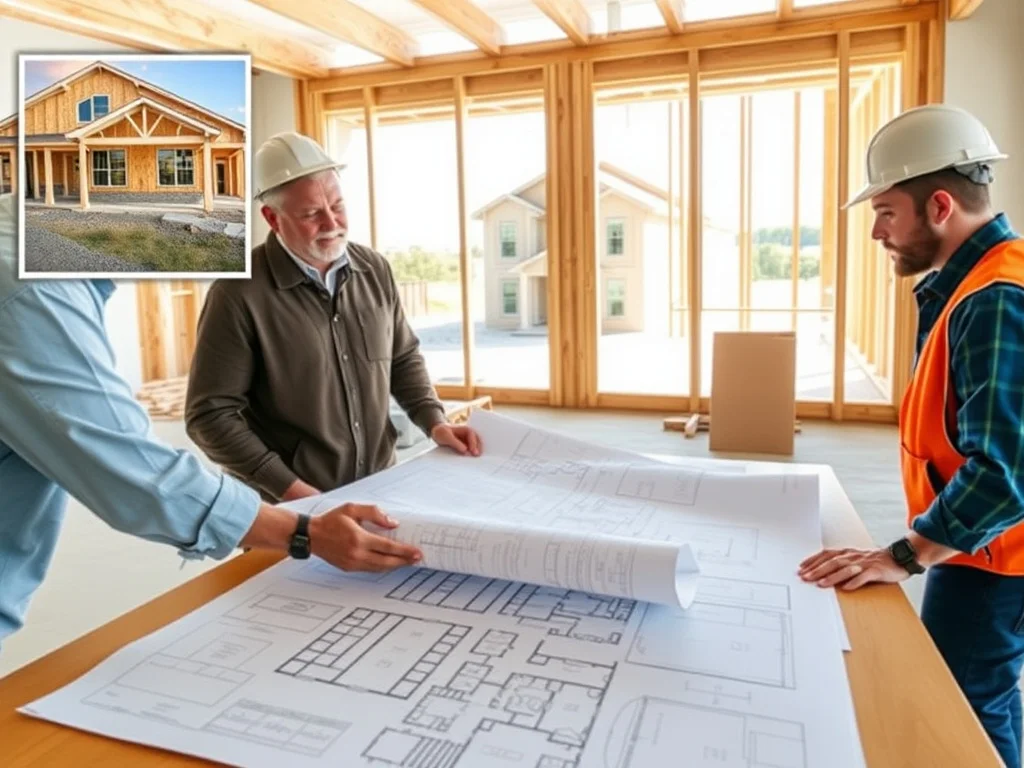
Professional liability insurance, often called errors and omissions (E&O) coverage, responds to claims that a professional service you provided was performed negligently and caused a financial loss — as distinct from general liability, which covers bodily injury and property damage. For production builders, this exposure shows up specifically where the company provides design, engineering coordination, or specification services as part of a design-build offering, rather than purely constructing to plans provided by someone else.
A grading plan that doesn't account for drainage correctly across a phase, a specification error that leads to a systemic issue across dozens of homes built to the same plan, or a planning decision that creates a financial loss without any physical damage at all — these are the kinds of claims general liability typically won't respond to, because there's no bodily injury or property damage triggering it, just an alleged professional error and a resulting financial loss.
Contractors Choice Agency helps production and design-build homebuilders evaluate whether professional liability coverage is a needed layer in their program, based on how much design and specification work is actually performed in-house versus by a separate licensed architect or engineer. Call 844-967-5247 or email josh@contractorschoiceagency.com for a free quote.
What's covered
- Coverage for claims alleging a negligent act, error, or omission in design, specification, or planning services you provided
- Defense costs for professional liability claims, which can be significant even when a claim is ultimately unsuccessful
- Coverage for financial-loss claims that don't involve bodily injury or property damage, which general liability generally won't address
- Protection for in-house design coordination work on standard floor plans repeated across a development
- A distinct claims-made policy structure appropriate for the delayed-discovery nature of design and specification errors
- Coordination with general liability and completed operations coverage so claims involving both physical damage and a design error aren't left in a coverage gap between policies
Ideal for builders that…
- Production builders who offer design-build services or make in-house specification decisions rather than building strictly to a third-party architect's stamped plans
- Builders who repeat standard floor plans and specifications across many homes, where a single design error could affect an entire phase
- Companies whose contracts with developers or municipalities require proof of professional liability coverage for design-related scope
- Builders who coordinate engineering, grading, or drainage planning in-house rather than fully outsourcing it to a separate licensed firm
- Any production builder evaluating whether their general liability program has a design-related gap
Why general liability doesn't cover design errors on its own
General liability is built to respond to bodily injury and property damage claims. A design or specification error that leads purely to a financial loss — extra cost to fix a systemic issue, or a delay-related loss, without any accompanying bodily injury or property damage — typically falls outside what a general liability policy is written to cover. Professional liability closes that specific gap, and it becomes relevant the moment a production builder starts making design or specification decisions rather than purely executing someone else's stamped plans.
This distinction matters more for production builders than for many trades, because standardized floor plans and repeated specifications mean a single design decision can be replicated across an entire phase or development — turning what would be an isolated issue for a custom builder into a much larger financial exposure.
Claims-made coverage and why continuity matters
Professional liability policies are typically written on a claims-made basis, meaning the policy in force when a claim is made — not necessarily when the underlying work was performed — is generally the one that responds, subject to the policy's retroactive date and terms. Because design and specification errors can take years to surface, especially across a large development built over an extended timeline, maintaining continuous coverage without gaps is important for making sure past work stays protected.
We help production builders understand retroactive dates and tail coverage options when changing carriers or scaling back design-build services, so past design work doesn't end up unintentionally uninsured.
What determines the cost of this coverage
Every production builder is different. Here's what typically moves the price of this coverage up or down.
Scope of in-house design/specification work
A builder doing extensive in-house design coordination carries more professional liability exposure than one building strictly to outside architect/engineer-stamped plans.
Number of standardized floor plans in active use
More homes built from the same specification set concentrates exposure if a single design error affects multiple homes at once.
Claims and prior professional liability history
A clean history of design-related claims favorably affects renewal pricing, as with most claims-made professional lines.
Contractual requirements from developers or municipalities
Some development contracts specify minimum professional liability limits as a condition of the design-build scope.
Retroactive date and continuity of coverage
Gaps in claims-made coverage, or short retroactive dates from switching carriers, can affect both pricing and what past work is actually protected.
FAQs about Professional Liability Insurance
The exposure is generally lower if all design and engineering is performed and stamped by a separate licensed firm rather than in-house, but many production builders still make specification-level decisions — material substitutions, grading adjustments, system layouts — that can carry professional liability exposure even without a full in-house design department. Worth a specific review of your actual scope.
General liability covers third-party bodily injury and property damage. Professional liability covers claims of financial loss caused by an alleged error or omission in a professional service, like a design or specification decision, even when there's no bodily injury or property damage involved at all.
Design and specification errors often aren't discovered until well after the work was performed, so the industry standard is a claims-made structure tied to when a claim is actually made, with a retroactive date defining how far back the policy protects. Continuous coverage matters because a gap can leave past design work unintentionally unprotected.
Yes — because production builders repeat standardized floor plans and specifications across many homes, a single design or specification error has the potential to affect multiple homes built to the same plan, which is a meaningfully different risk profile than a one-off custom project.
Not broadly — professional liability specifically addresses claims tied to an alleged professional error in design, specification, or planning services. Construction defect claims tied to workmanship or physical damage are typically addressed through general liability and its products-completed operations extension instead.
Related coverages to consider


Get your free professional liability insurance quote
Tell us about your developments and we'll put together a clear, no-obligation quote — coverage built around how a production builder actually operates.