Umbrella Insurance for Production Homebuilders
Umbrella insurance adds an extra layer of liability protection above your general liability, commercial auto, and employer's liability limits — a meaningful safeguard for production builders, whose per-incident exposure can multiply across many homes built to the same plan and specification.
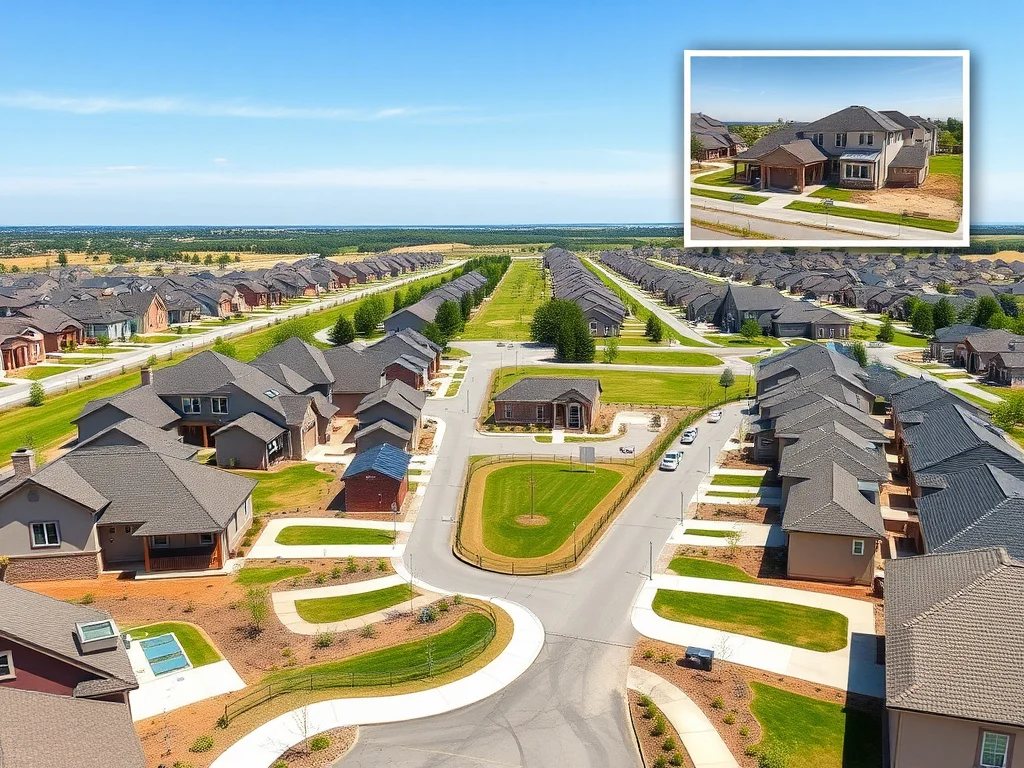
Umbrella insurance provides additional liability limits that sit above the limits on your underlying policies — typically general liability, commercial auto, and employer's liability — stepping in once an underlying policy's limit is exhausted by a large claim, and in some cases covering certain exposures those underlying policies don't reach at all.
For production builders, umbrella coverage carries a specific weight that goes beyond the generic 'extra cushion' framing. Because the same floor plan, specification, or subcontractor trade work is repeated across dozens or hundreds of homes in a single development, a single systemic issue has the potential to generate related claims from multiple homeowners at once — a very different severity profile than a single-project custom builder faces, and exactly the kind of scenario where a standard general liability limit can be exhausted faster than expected.
Contractors Choice Agency sizes umbrella limits for production builders around that batch-exposure reality, not a generic small-business umbrella recommendation. Call 844-967-5247 or email josh@contractorschoiceagency.com for a free quote.
What's covered
- Additional liability limits above your general liability, commercial auto, and employer's liability policies
- Broader per-occurrence and aggregate protection for large or multi-claimant liability events
- Coverage that can respond when an underlying policy's limits are exhausted by a severe or high-value claim
- Protection sized around the batch-litigation exposure that comes from repeating the same floor plans and specifications across a whole development
- A cost-efficient way to raise total liability protection without proportionally raising every underlying policy's limit individually
- Support evaluating whether current underlying limits and umbrella attachment points make sense for your actual development portfolio
Ideal for builders that…
- Production builders with multiple homes built to the same floor plan, systems, or specification within a single development
- Builders managing developments large enough that a single systemic issue could plausibly generate claims from several homeowners at once
- Companies whose lenders, developers, or municipalities require higher total liability limits than a standard general liability policy alone provides
- Builders looking to raise overall liability protection efficiently rather than raising every underlying policy's limit separately
- Any production builder whose portfolio value and homebuyer count have grown faster than their liability limits have been reviewed
Why batch exposure changes the umbrella math
A custom home builder's worst-case liability scenario is typically bounded by one project. A production builder's worst-case scenario looks different: the same roofing detail, stucco application, or plumbing manifold installed across an entire phase means a single systemic issue can, in principle, generate related claims from many homeowners in the same development around the same time.
That kind of multi-claimant exposure is exactly what can exhaust a general liability aggregate limit faster than a builder might expect, especially mid-policy-period. Umbrella coverage is the mechanism that provides a meaningful additional layer of protection above that aggregate, sized to reflect the actual number of homes and homeowners a single systemic issue could touch — not just a flat multiple of your general liability limit picked without reference to your portfolio.
What umbrella coverage needs to sit above
Umbrella policies are written to follow form over specific underlying policies, and gaps between what the underlying policies cover and what the umbrella expects can create coverage disputes exactly when they matter most. For a production builder, that means confirming the umbrella properly sits above general liability (including its products-completed operations extension), commercial auto, and employer's liability under workers' compensation — the three most common underlying layers for a builder's liability program.
We review the underlying policy structure as part of setting up or renewing umbrella coverage, so the umbrella's assumptions about what sits beneath it actually match the policies you carry.
- Confirm the umbrella follows form over general liability, including its products-completed operations extension
- Confirm the umbrella follows form over commercial auto liability across all scheduled vehicles
- Confirm the umbrella follows form over employer's liability under your workers' compensation program
What determines the cost of this coverage
Every production builder is different. Here's what typically moves the price of this coverage up or down.
Underlying policy limits
Umbrella pricing is directly tied to the limits and quality of the underlying general liability, auto, and employer's liability policies it sits above.
Total homes and homeowners across active and recently completed phases
A larger total portfolio increases the theoretical number of claimants a single systemic issue could generate, which factors into appropriate umbrella limits.
Claims history across underlying policies
A strong claims history on the underlying general liability and auto policies favorably affects umbrella pricing and available limits.
Number of standardized floor plans and specifications in use
More homes built to fewer standardized specifications concentrates batch exposure, which is a meaningful umbrella sizing factor for production builders specifically.
Requested umbrella limit
Higher requested limits, often driven by lender, developer, or municipal contract requirements, directly affect premium.
FAQs about Umbrella Insurance
There's no universal number — appropriate umbrella limits depend on your underlying general liability and auto limits, total portfolio size, and how much of a systemic issue's exposure is concentrated across repeated floor plans and specifications. We size a recommendation around your actual development portfolio rather than a generic multiple.
Primarily, umbrella coverage adds additional limits above underlying policies once those limits are exhausted, following the same terms as the underlying policy it sits above. Some umbrella policies also pick up certain gaps between underlying policies, but it's not a broad substitute for coverage you don't otherwise carry.
Because production builders repeat the same floor plans, systems, and specifications across many homes in a development, a single systemic issue has the potential to generate related claims from multiple homeowners at once — a batch-litigation exposure that a single-project custom builder generally doesn't face at the same scale.
Umbrella typically sits above the employer's liability portion of a workers' compensation policy — the part that responds to lawsuits alleging employer negligence beyond the no-fault workers' comp benefit itself — rather than above the statutory workers' comp benefits, which are handled directly by the underlying policy.
Yes — umbrella limits can typically be reviewed and adjusted as your active portfolio, home count, or contractual requirements change, and we recommend revisiting limits periodically as a development scales rather than only at initial setup.
Related coverages to consider


Get your free umbrella insurance quote
Tell us about your developments and we'll put together a clear, no-obligation quote — coverage built around how a production builder actually operates.